

“Am I too old for permanent makeup?” It is a question many people ask—and the answer is not determined by your age. If your brows look thinner, your lips seem less defined, or applying eyeliner has become frustrating, permanent makeup may be worth exploring. The right choice depends on your skin, health, preferences and expectations, not simply the number of candles on your birthday cake.
Why makeup can feel different after 50
Our faces and routines change throughout life. Brows may become sparse or lose colour. Lips can look paler, and their natural outline may be less noticeable. Eyelids can change shape, while dry or sensitive eyes may make conventional eyeliner uncomfortable or difficult to keep in place. Changes in vision or hand steadiness can also make fine, symmetrical makeup application more challenging.
These experiences are common, but they do not happen to everyone. Mature skin varies widely in texture, hydration, elasticity and sensitivity. That is why there is no single permanent makeup technique that is automatically right for every person over 50.
Permanent brows after 50: bringing back soft definition
When eyebrows become lighter or thinner, they can feel less visible than they once did. Drawing them in every morning may take time, especially when creating two balanced brows becomes difficult. Permanent brow makeup can create a more consistent outline tailored to your facial features and preferred level of definition.
Depending on your skin and goals, an artist may discuss options such as:
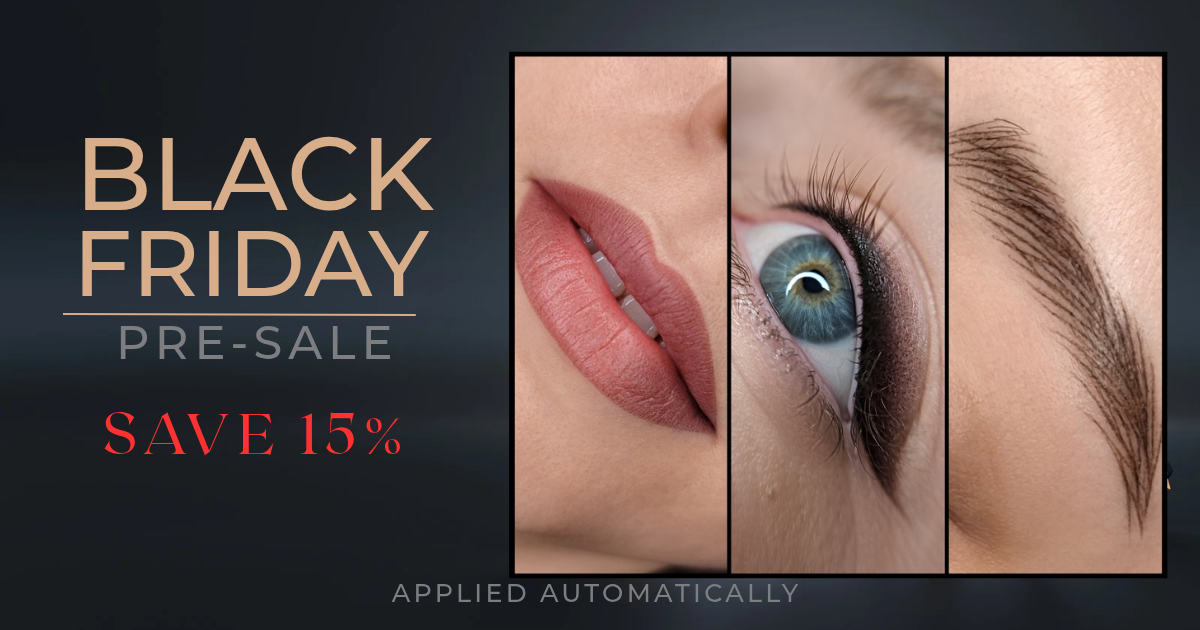
- Nano brows: machine-created hair-like strokes designed to mimic the look of individual brow hairs.
- Powder or ombré brows: soft shading that can resemble a lightly filled-in brow or a more defined makeup look.
- Combo brows: a combination of hair-like strokes and shading.
The most suitable option depends on factors such as skin texture, existing brow hair, previous cosmetic tattooing, desired finish and the artist’s assessment. A technique that looks beautiful on one person may not be the best choice for another. The aim should be a shape and colour that feel harmonious—not brows that overpower your features.
Explore Brow Envy Edmonton’s permanent brow options to learn about the techniques available.
Lip blush after 50: a little colour and clearer definition
Some people notice that their lips lose some of their natural colour or that the lip border becomes less distinct over time. Lip blush is a cosmetic tattooing technique that adds a tint of colour and can help define the appearance of the lips.
Lip blush is not lip filler: it does not add physical volume. The healed result varies by person and is influenced by natural lip colour, pigment choice, skin characteristics and healing. A consultation is a chance to discuss whether a soft, natural-looking tint aligns with your goals and what result is realistic for you.
Permanent eyeliner after 50: subtle definition for changing eyes
For people who find it difficult to draw an even line, permanent eyeliner may be an option to discuss with a qualified artist. A lash-line enhancement places pigment along the lash line to create the appearance of added definition, while other eyeliner styles can create a more noticeable effect.
Hooded eyelids, watery eyes, dry-eye symptoms, sensitivities and existing eye conditions all matter when considering treatment around the eyes.
Read more about Brow Envy Edmonton’s permanent eyeliner options and discuss which, if any, may be appropriate for you.
Will permanent makeup look too dark or unnatural?
It is reasonable to worry about ending up with brows that look too strong, lips that feel unlike your own, or eyeliner that is more dramatic than you wanted. A thoughtful consultation should include a conversation about your everyday style, preferred intensity, facial features and long-term expectations.
Bring reference photos if they help explain what you like, but remember that results depend on your own features and skin. Ask to see healed results—not only freshly completed work—and make sure you understand the design, colour and technique being proposed. While permanent makeup does soften overtime it should be considered permanent without removal
What if my eyesight is changing or my hands are less steady?
Many people spend years carefully drawing brows, tracing lip lines or trying to make both sides match. When close-up vision or hand steadiness changes, that routine can become tiring. One reason people explore permanent makeup is to reduce the amount of detailed makeup they feel they need to apply each day.
It is important to keep expectations realistic: permanent makeup does not correct vision changes, and it does not replace all makeup or skincare. It may, however, provide a consistent base of definition for people who are suitable candidates. Your comfort, ability to attend the appointment and follow aftercare instructions should be part of the decision.
Is permanent makeup safe for mature skin?
Age alone does not determine whether someone is a suitable candidate. Skin condition, medical history, medications, allergies, previous cosmetic tattooing and the treatment area can all affect the decision. A qualified artist should review relevant concerns and explain the procedure, expected healing, aftercare, possible risks and limitations before proceeding.
Share any relevant medical conditions, allergies, eye concerns and medications during your consultation. Do not stop or change prescribed medication on your own. If a health concern could affect bleeding, healing or infection risk, ask your healthcare provider for advice before treatment. Treatment should be postponed when the area is affected by an active infection or other condition that makes the procedure inappropriate.
Can women in their 60s, 70s or older get permanent makeup?
There is no universal birthday that automatically rules permanent makeup in or out. The more useful questions are whether the treatment is appropriate for your skin and health, whether your expectations are realistic, and whether you feel comfortable with a long-lasting result. A personalized assessment is more meaningful than a rule based only on age.
How to choose a permanent makeup artist for mature skin
Before making a decision, look for an artist who listens carefully and can explain both the benefits and limitations of treatment. Consider asking:
- Can I see healed results on clients with skin and goals similar to mine?
- Why do you recommend this technique for me?
- What should I expect during healing, and what aftercare will I need?
- What are the risks, limitations and possible need for future touch-ups?
- How would existing permanent makeup or an eye or skin concern affect my options?
- What happens if I decide later that I want to change or remove the result?
A good consultation should never make you feel rushed or pressured. It should leave you with enough information to make a considered choice—even if that means deciding not to proceed.
Frequently asked questions about permanent makeup over 50
Am I too old for permanent makeup?
Not necessarily. Age by itself is not the deciding factor. Suitability depends on your skin, health, treatment area, goals and ability to follow aftercare instructions. An individual consultation can help you understand your options.
What is the best permanent makeup for mature skin?
There is no single best technique for everyone. Nano, powder or combo brows, lip blush and different eyeliner styles may be considered depending on the person. Skin characteristics, previous PMU and desired results should guide the recommendation.
Can permanent makeup look natural after 50?
It can be designed to look soft and balanced, but results vary. Discuss the level of definition you want, review healed examples and ask your artist to explain what is realistic for your features and skin.
Is lip blush the same as lip filler?
No. Lip blush adds cosmetic pigment to the lips to create colour and definition. It does not add physical volume like a dermal filler.
Can I get permanent eyeliner if I have hooded eyes or watery eyes?
It depends on your eye shape, symptoms and medical history. Share any dry-eye symptoms, watering, irritation or diagnosed eye conditions with your artist, and consult an eye-care professional when appropriate. Permanent eyeliner is not suitable for every eye condition.
Does mature skin heal differently after permanent makeup?
Healing varies from person to person and depends on skin condition, the procedure, aftercare and individual health factors. Ask your artist what healing typically involves and what signs should prompt you to seek professional advice.
Will permanent makeup stop me from needing regular makeup?
Not completely. It may reduce the need to redraw certain features, but it does not replace every cosmetic product. Your result and daily routine will depend on the treatment and your preferences.
Can old eyebrow tattooing be corrected?
Sometimes, but it depends on the existing pigment, colour, shape, depth and condition of the skin. An artist needs to assess the area before advising whether a new treatment, correction or removal should be considered.
How do I know whether permanent makeup is right for me?
Book a consultation to discuss your goals, medical and skin considerations, the available techniques, healing, aftercare, cost and long-term commitment. You should feel informed and comfortable before deciding.
Curious about permanent makeup after 50?
You do not have to decide on a treatment before asking questions. If you are considering brows, lip blush or eyeliner, the first step is understanding what may suit your features, skin and lifestyle.
Learn more about permanent brows, lip services and permanent eyeliner, or contact Brow Envy Edmonton to discuss your questions.
Comments are closed